
oscarwillard
The Role of Minimally Invasive Surgery in Treating Lumbar Spine Disorders
About oscarwillard
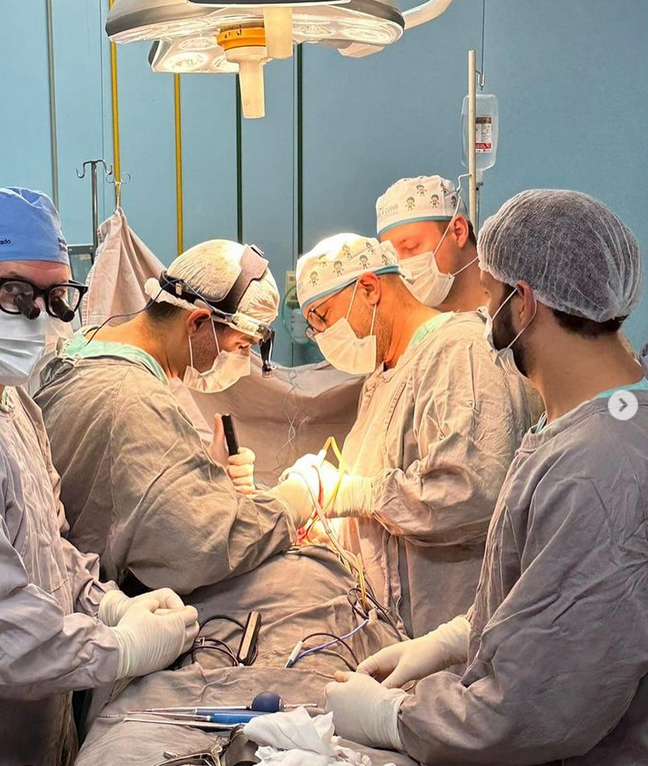
Minimally invasive surgery (MIS) has rapidly become a cornerstone in the management of lumbar spine disorders, offering a compelling alternative to traditional open procedures through reduced tissue disruption, lower peri operative morbidity, and accelerated recovery. By employing tubular retractors, endoscopic cameras, and percutaneous instrumentation, MIS techniques—such as micro discectomy, percutaneous pedicle screw fixation, and endoscopic lumbar decompression—allow surgeons to target the pathological anatomy with precision while preserving the paraspinal musculature, ligamentous tensioning, and vascular supply that are often compromised in extensive exposures. Clinical studies consistently demonstrate that patients undergoing MIS for lumbar disc herniation, spinal stenosis, spondylolisthesis, or degenerative disc disease experience less intra operative blood loss, shorter hospital stays, and faster return to daily activities compared with open surgery, without sacrificing long term functional outcomes or fusion rates. Moreover, the diminished soft tissue trauma translates into lower rates of postoperative infection and chronic postoperative pain, a notable benefit for the growing elderly population who are frequently burdened by comorbidities. Nonetheless, the adoption of MIS demands a steep learning curve, specialized equipment, and meticulous pre operative imaging to mitigate the risk of inadequate decompression or hardware malposition. Emerging innovations—such as robot assisted navigation, intra operative neuromonitoring, and augmented reality visualization—promise to further refine MIS accuracy, expand its indications, and reduce radiation exposure. As evidence continues to accumulate, the role of Minimally Invasive Lumbar Spine Surgery is composed to shift from a niche option to the standard of care for appropriately selected patients, optimizing outcomes while minimizing the physiological toll of surgical intervention.
No listing found.